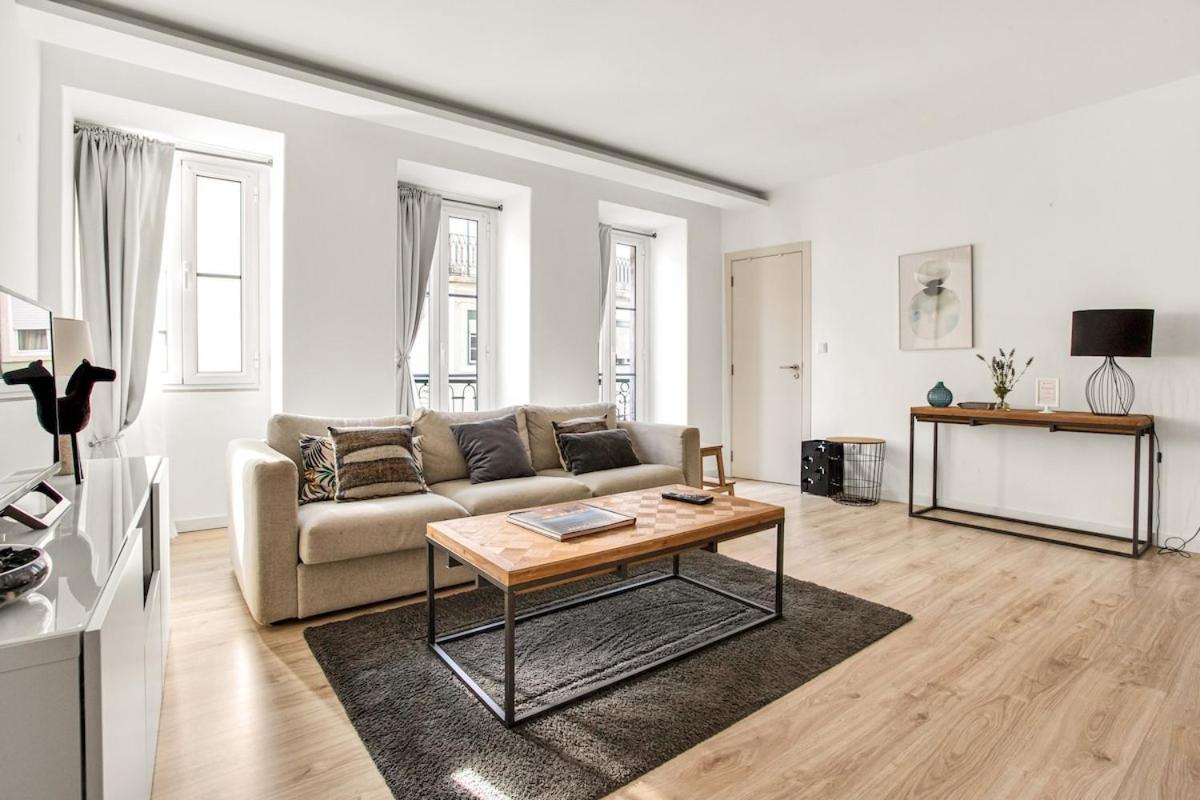


Apartment in Estrela Amazing for Families by Lisbeyond
Video: Apartment in Estrela Amazing for Families by Lisbeyond
A 26-second look at Apartment in Estrela Amazing for Families by Lisbeyond (4-star, Lisbon), made from the hotel's own photos.
Apartment in Estrela Amazing for Families by Lisbeyond is a well-rated 4-star hotel in Estrela, Lisbon, popular with guests who want comfort and a strong location near Mafra National Palace.
The surrounding Estrela district is one of the most convenient parts of Lisbon to stay in, with restaurants, cafés and transport links close by.
Rates shift with the season and with demand, so the live price on the booking page is always the one to trust — tap through for tonight’s or your dates' real availability.
Key facts
What’s included
Around Estrela


Where to stay in Lisbon: the areas worth your week
Stay in Baixa or Chiado for a first visit: Baixa is the flat grid between Rossio and Praça do Comércio, walkable to almost everything, with four-star doubles usually €150–230 in shoulder season, while Chiado next door runs €30–60 higher for the same standard and gets quieter after midnight. Alfama and Graça put you inside the castle hill — Castelo de São Jorge, the Sé, Miradouro das Portas do Sol and Senhora do Monte are all a few minutes' climb — and guesthouses there sit around €90–140, cheaper than Chiado because the trade-off is stairs and no lift. Mouraria, just over Martim Moniz, is the cheapest genuinely central option at €70–110 and the most mixed neighbourhood in the city. Bairro Alto is for people who want the bars on Rua da Atalaia until 2am and can sleep through them; Cais do Sodré, with the Time Out Market at Mercado da Ribeira and the Cascais train, is the compromise — nightlife on Rua Nova do Carvalho, but you can shut a window on it. Príncipe Real is the quiet-money choice: palacete guesthouses around Praça das Flores and the Jardim do Príncipe Real, usually €160–260.
Away from the centre, Avenida da Liberdade is where the international five-stars sit along a 1.1 km boulevard, from €300 up and often past €500 in June. Estrela and Lapa are residential and embassy-heavy, near the Basílica da Estrela and the Jardim da Estrela, with the city’s quietest high-end rooms; Belém, 6 km west, gives you Jerónimos, the Torre de Belém and Pastéis de Belém on the doorstep and very little after 8pm. Parque das Nações is modern, flat and family-friendly around the Oceanário and Gare do Oriente, roughly 20 minutes into town on the red line. Alcântara and Marvila are the cheaper edges — LX Factory under the 25 de Abril bridge, warehouse breweries out past Braço de Prata. Outside the city, Sintra, Queluz, Mafra, Óbidos, Cascais, Estoril, Ericeira, Almada and Setúbal all work as bases if the palaces and coast, rather than the city, are the point of the trip.
Best time to visit Lisbon, month by month
May, late September and October are the best months: 22–26°C, low rain, and the Sintra palaces bearable to queue for. January and February are the cheapest and wettest — expect 15°C, several grey days a week, and four-star doubles in Baixa dropping to €90–130; the compensation is Pena Palace and Castelo dos Mouros almost to yourself. March and April climb slowly, with Easter and the Óbidos Festival Internacional do Chocolate pushing weekend rates up in the walled town. June is the most expensive month of the year in the city: Festas de Lisboa runs all month, the Santo António street parties on the nights of 12 and 13 June fill Alfama, Mouraria and Graça, and central hotels ask 40–60% above May.
July and August are hot (28–33°C inland, cooler on the Atlantic side) and the demand shifts to the coast — Cascais, Estoril and Ericeira peak, with four-star doubles at €200–300, while some city hotels are marginally softer than in June. September is the strongest all-round month: warm sea, NOS Alive already over, prices near June levels but the light is better. November is the trap — mid-month Web Summit at the Altice Arena in Parque das Nações puts 70,000 people in the city and doubles or triples rates citywide for four or five nights. December is cheap until about the 20th, then New Year at Terreiro do Paço lifts it again; Óbidos Vila Natal runs through the month and books out weekends in that one town.
Getting around Lisbon: metro, trams, trains and whether you need a car
You do not need a car in Lisbon, and in Alfama, Mouraria and Bairro Alto it is a liability — streets narrower than a car door, resident-only parking, and hotel garages charging €18–25 a night. Get a rechargeable Navegante card for €0.50 and load single rides at about €1.80, or take the 24-hour Carris/Metro pass at roughly €7 if you are doing the funiculars. The metro’s four lines cover the airport, Baixa (Baixa-Chiado, Rossio), Avenida, Parque das Nações and Alcântara’s edge; trams 28E (Martim Moniz–Graça–Alfama–Baixa–Estrela–Campo de Ourique) and 15E (Praça da Figueira–Alcântara–Belém, about 25 minutes) do the rest. Buy tickets before boarding — the onboard fare on the 28E is around €3.20 against €1.80 with a card. The ferry from Cais do Sodré to Cacilhas in Almada takes 10 minutes and costs about €1.55.
For day trips, trains beat driving. Rossio station to Sintra is roughly 40 minutes and about €2.40 each way; Cais do Sodré to Cascais is 33–40 minutes for a similar fare, stopping at Belém, Oeiras, Carcavelos and Estoril along the seafront. Queluz-Belas on the Sintra line puts you 10 minutes' walk from the Palácio Nacional de Queluz. Mafra, Ericeira and Óbidos are bus territory — Mafrense and Rodoviária do Oeste coaches from Campo Grande and Campo Grande/Sete Rios, an hour to Mafra, about an hour and a quarter to Óbidos. A hire car only earns its keep if you are combining Arrábida, Setúbal and the Costa da Caparica beaches, where public transport gets thin.
