Post-industrial east Lisbon: breweries, galleries, wine cellars and street art, with almost no hotels and very low prices.
Marvila is the eastern riverfront between Santa Apolónia and Parque das Nações, a two-kilometre stretch of nineteenth-century wine warehouses, factories and social housing that spent forty years derelict and is now the closest thing Lisbon has to a genuine creative district. The wine cellars along Rua do Açúcar and Rua Zófimo Pedroso now hold craft breweries — Dois Corvos on Rua Capitão Leitão in adjoining Beato, Musa on Rua do Açúcar — and galleries like Underdogs on Rua Fernando Palha show large-scale street artists in a converted warehouse.
Nobody should pretend this is pretty. Between the good buildings sit tyre workshops, storage yards, empty lots and 1960s housing blocks. The riverfront is partly fenced off by the port. Street lighting is patchy. But the Biblioteca de Marvila in an old palace garden, the Braço de Prata factory venue with its concerts and bookshop, and the sheer volume of large-format mural work make it far more interesting than most of what the guidebooks send you to.
As a base it is unconventional and cheap: €68–95 a night in January for the handful of hotels and aparthotels here, with big apartments at €80–120. Santa Apolónia metro is a twelve-minute walk or three minutes by bus from the western end; Oriente is at the eastern end. Baixa is twenty minutes door to door. At 9pm the taprooms are busy and the streets between them are not, which is the honest picture — you will walk five dark minutes between good places.
Come here if you like beer, contemporary art, and cities in the middle of changing. Skip it if this is your first Lisbon trip, if you want to walk out into a lively street, or if you are travelling with children. And be aware the transformation is uneven and ongoing: a warehouse that was a taproom last year may be a building site now. Check opening days before you go — several venues only open Thursday to Sunday.
Where to sleep
There is very little hotel stock, and what exists clusters near Rua do Açúcar, along Avenida Infante Dom Henrique, and up toward Chelas at the Marvila metro end. Expect €68–95 in January and €100–140 at peak — the cheapest decent rooms in the travel-to radius. Apartments in the converted warehouse blocks near Braço de Prata are the interesting option, often €80–120 for a large two-bedroom with a terrace. Prefer the riverside side of Avenida Infante Dom Henrique, which puts you on the 728 bus and within walking distance of Santa Apolónia. Avoid anything advertised as Marvila that is actually up in Chelas or Olaia — that is 1970s housing estate territory, a long way from the taprooms and with nothing to walk to at night.
Where to sleep
Hotels in Marvila
Rated by real guests, not pulled off a spreadsheet. Rates run the same or better than booking direct, and every booking funds one tonne of carbon removal.
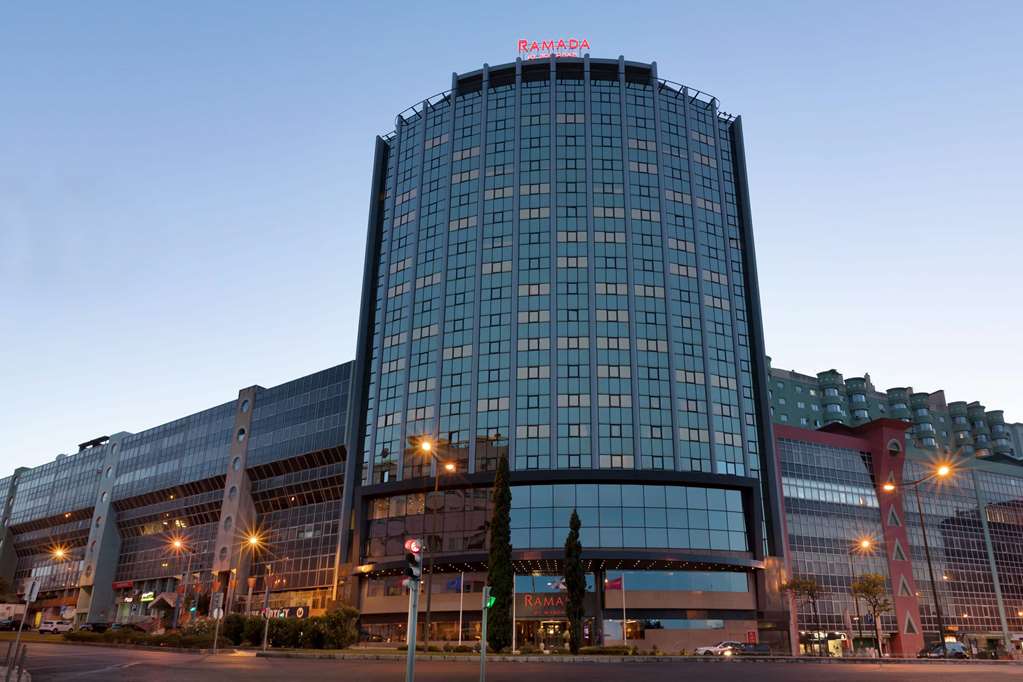 ★ 4.2
★ 4.2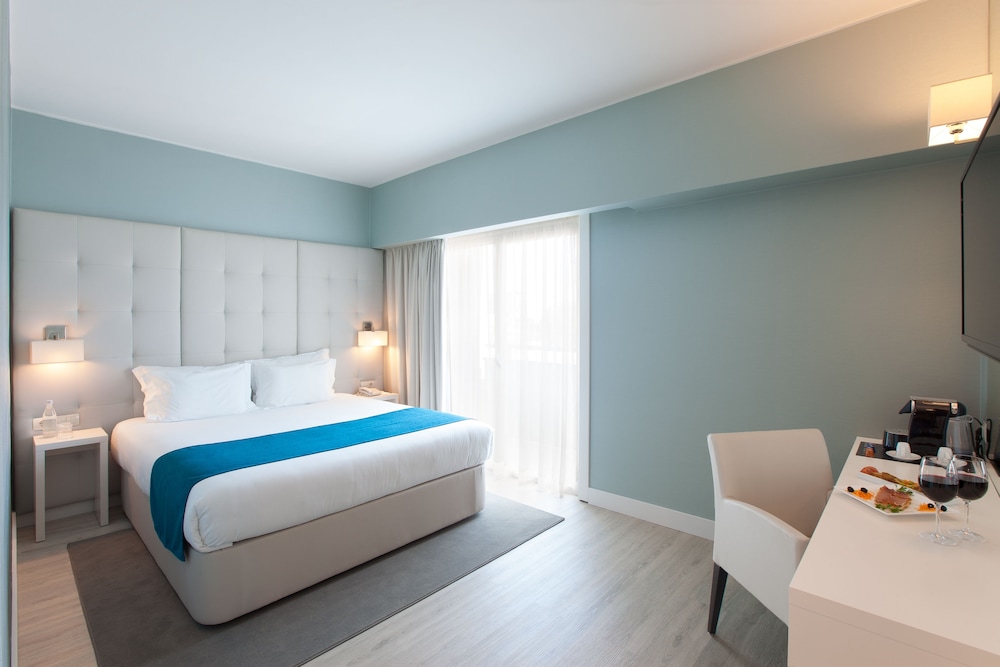 ★ 4.2
★ 4.2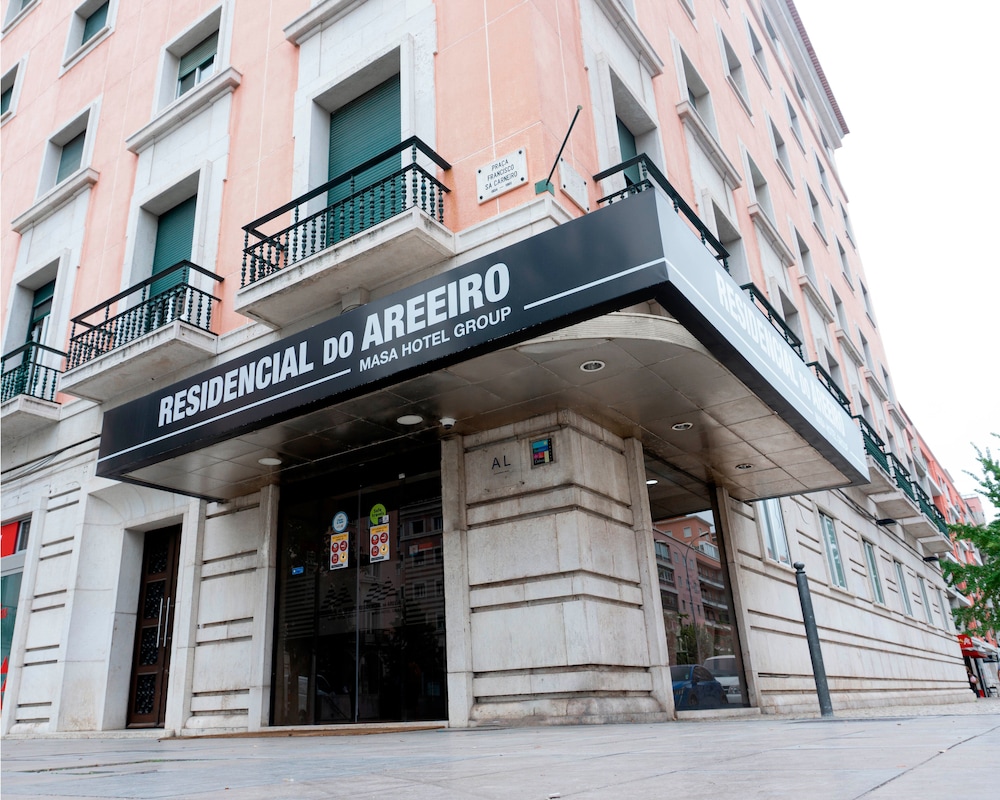 ★ 3.1
★ 3.1 ★ 4.0
★ 4.0On the ground
Things to do in Marvila
- Drink at Dois Corvos and Musa taproomsDois Corvos is on Rua Capitão Leitão 94 in Beato, Musa on Rua do Açúcar 83 — about eight minutes apart on foot. Both are working breweries with taprooms in the brewhouse, typically open Wednesday or Thursday to Sunday from late afternoon. Pints €4–5.50, tasting flights around €8.
- See a show at Underdogs GalleryRua Fernando Palha 56, Armazém 56. Free entry, generally open Tuesday to Saturday afternoons. Founded by the artist Vhils, it shows large-format urban art in a raw warehouse and sells affordable prints. Combine it with the murals on the surrounding streets — the neighbourhood is effectively an outdoor extension of the programme.
- Fábrica Braço de Prata for books and gigsRua da Fábrica de Material de Guerra 1, in an old arms factory. Multiple floors of bookshop, bar, concert rooms and exhibition spaces; concerts most nights from around 9.30pm, cover often €5–10. Chaotic, slightly shambolic, and one of the last genuinely unpolished cultural venues in the city.
- Walk the mural circuitStart on Rua do Açúcar and work east through Rua Zófimo Pedroso and Rua Fernando Palha. Vhils carvings, Bordalo II trash sculptures and huge painted gable ends appear on warehouse walls and housing blocks. An hour on foot, best in morning light, and free. Take the usual care with a phone out in quiet streets.
- Biblioteca de Marvila gardenRua António Gedeão, in the Palácio do Marquês de Abrantes with its walled garden. A public library in an eighteenth-century palace, free, typically open weekdays and Saturday mornings. The garden with its old trees is a genuine surprise ten minutes from the warehouses, and the reading rooms are cool in August.
- Ride the 728 bus along the riverThe 728 runs from Restelo through Cais do Sodré, Santa Apolónia and Marvila to Portela, hugging the water for much of the eastern half. €2 on board, €1.80 with Navegante. From the window you get the port, the cruise terminal, the tile museum turn-off and the whole eastern shoreline in about twenty minutes.
The essentials
Santa Apolónia to the Marvila warehouses (3 km)
Start at Santa Apolónia station, pass the cruise terminal and head east along Avenida Infante Dom Henrique. Detour inland to the Museu Nacional do Azulejo on Rua da Madre de Deus, then continue to Beato for the Dois Corvos brewhouse on Rua Capitão Leitão. Finish along Rua do Açúcar with the wine cellars, Musa and the Underdogs warehouse. Flat, industrial, occasionally bleak, and completely unlike the postcard city.
Getting there & around
From the airport, take the Metro red line to Oriente or Alameda, then either the blue line to Santa Apolónia or a short bus hop — 30–40 minutes, €1.80. A taxi is €13–17 and 15 minutes. Inside the district, bus 728 runs the riverfront every 10–15 minutes and is the workhorse; buses 718, 755 and 794 also pass through. Marvila and Bela Vista stations on the red line serve the inland side, but they are a stiff fifteen-minute walk uphill from the warehouses. Santa Apolónia (blue line) is 12–20 minutes on foot from the western end. Trains from Santa Apolónia reach Oriente in four minutes.
Good to know
Marvila, questions answered
Is Marvila worth staying in rather than just visiting?
Visit first. It is a superb half-day out from anywhere central, and the taprooms and galleries are the reason. Staying makes sense if you want space and a €70 room and don’t mind a bus into town for dinner. If you are here for three nights and want atmosphere on your doorstep, choose Alfama, Graça or Cais do Sodré instead.
When are the Marvila breweries actually open?
This is the trap. Several taprooms only open Thursday to Sunday, often from 5pm, and hours shift seasonally. Turning up on a Monday afternoon means locked shutters and an hour wasted. Check each brewery's own social media the same week you go — third-party listings here are frequently out of date.
Is Marvila safe to walk at night?
Serious crime is not a particular issue, but stretches of Rua do Açúcar and the streets toward Beato are unlit, empty and industrial after 9pm. Walk between venues rather than wandering, keep your phone away, and use a Bolt for the last leg — Marvila to Santa Apolónia is about €5. Groups are fine; solo walkers should be sensible.
How far is the tile museum from Marvila?
The Museu Nacional do Azulejo on Rua da Madre de Deus 4 sits at the western edge, about ten to fifteen minutes' walk from the Beato breweries and on the 718 and 794 bus routes. Around €8, closed Mondays. It is the single best conventional sight in eastern Lisbon and pairs naturally with a brewery afternoon.
Keep exploring
Nearby areas
102 stays
Parque das Nações
Lisbon's Expo 98 district: wide promenades, the Oceanário, big conference hotels and almost no old Lisbon at all.
Stays in Parque das Nações ↗
184 stays
Alfama
The medieval maze under the castle: fado, laundry lines, 300 steps to your door, and no straight streets.
Stays in Alfama ↗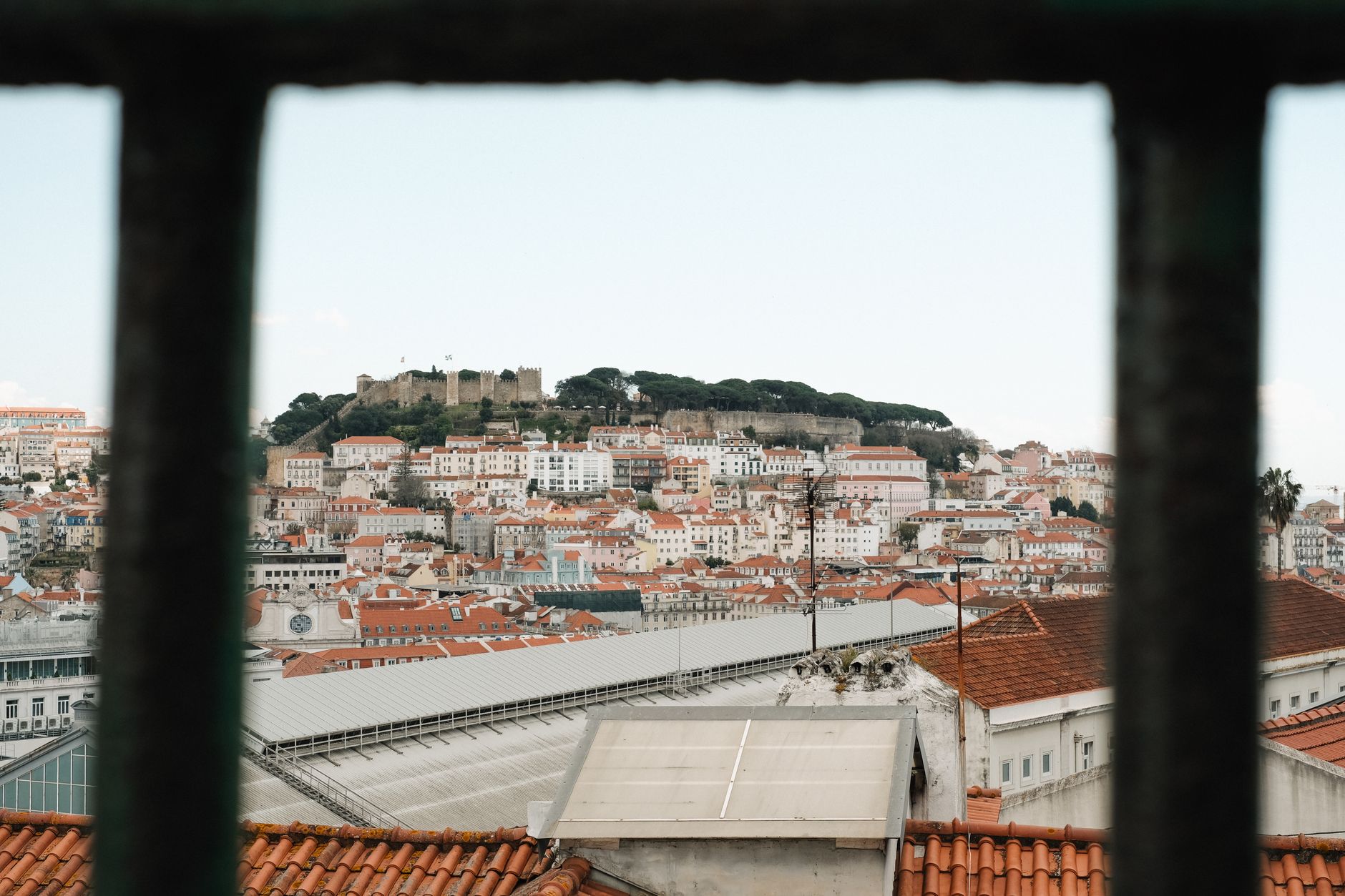
352 stays
Graça
Above Alfama, above the crowds: two of the best viewpoints, real neighbourhood restaurants, and honest prices.
Stays in Graça ↗Doing good is the business: every booking through LisbonHaven.com funds one verified tonne of carbon removal — same room, same price, no markup.
Search stays