One colossal baroque palace-convent, a royal hunting park full of deer, and a small town that exists around both.
Mafra is a small town forty kilometres north-west of Lisbon that happens to contain one of the largest palaces in Europe. João V spent Brazilian gold on it from 1717 onwards, and the result is a baroque convent-palace-basilica covering some forty thousand square metres, with a facade over two hundred metres long, listed by UNESCO in 2019. It is genuinely staggering and genuinely exhausting: the marked route is close to two kilometres of corridors and you should allow two and a half hours minimum. Tickets are around €10 and the palace is closed on Tuesdays.
Two things inside are worth the trip on their own. The library is a 88-metre rococo hall with some 36,000 volumes, and a colony of bats that comes out at night to eat the insects that would otherwise eat the books — a pest control system running since the eighteenth century. And the basilica has two carillons totalling more than ninety bells, plus six historic organs built to be played together, which is unique. Carillon recitals and organ concerts happen on scheduled Sundays; check before you plan a trip around one.
Outside the palace, Mafra town is honest and small. Terreiro D. João V, the enormous square in front of the basilica, is empty and windswept most of the year. There are cafés and a handful of restaurants on Rua Serpa Pinto and around Praça da República, and by nine in the evening the town is essentially asleep. This is not a destination for atmosphere after dark, and anyone expecting one will be disappointed within an hour of arriving.
Stay here for one thing: it is cheap, it has parking, and it puts you ten kilometres from Ericeira's surf and thirty from Sintra without paying either place's rates. That is a real argument if you have a car and a family. Without a car it is a weaker proposition — the palace is a day trip from Lisbon by bus, and most people should treat it as exactly that. The other draw is the Tapada, the walled royal hunting park, which is the best thing in the municipality after the library.
Where to sleep
There is not much choice inside Mafra itself — a couple of small hotels and guesthouses around Rua Serpa Pinto and the roads off Terreiro D. João V, at €50 to €80 a night, plus rural houses in the villages around Gradil, Cheleiros and Sobreiro at similar money with far more character. Most visitors who want to sleep in this corner actually stay in Ericeira, ten kilometres west, and drive in for the palace. If you do stay in Mafra, take a room on the town side rather than facing the N116, which carries commuter traffic from six. Parking is free and easy, which is the main practical advantage over anywhere on the coast. Avoid booking anything in the Malveira or Venda do Pinheiro industrial belt east of town on price alone — it is a fifteen-minute drive with nothing walkable around it.
Where to sleep
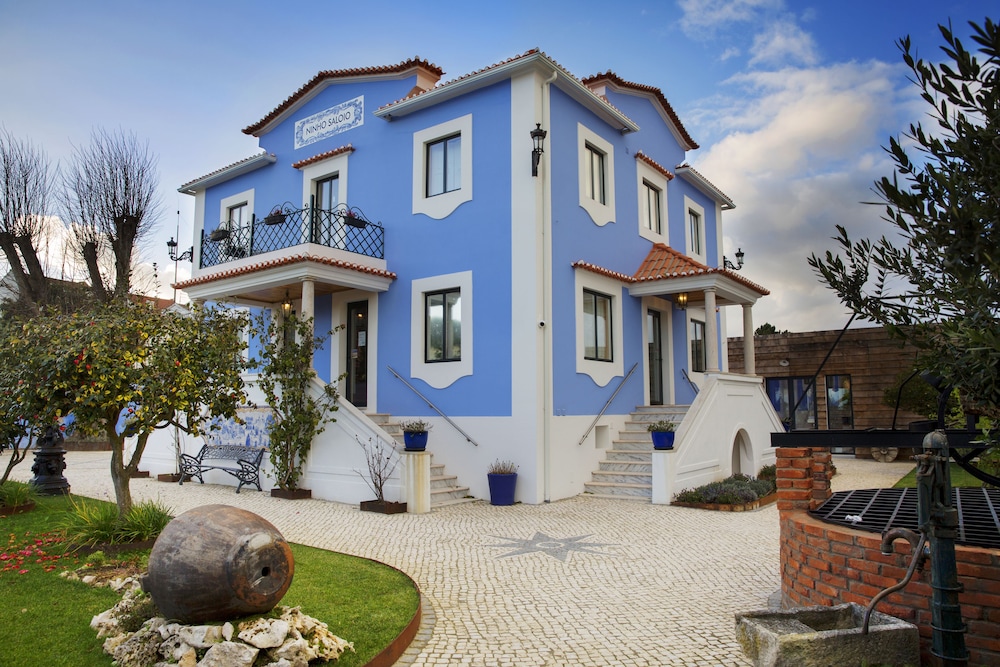
Hotels in Mafra
Rated by real guests, not pulled off a spreadsheet. Rates run the same or better than booking direct, and every booking funds one tonne of carbon removal.
 ★ 4.7
★ 4.7On the ground
Things to do in Mafra
- The palace library and basilicaTerreiro D. João V, closed Tuesdays, around €10. Give it two and a half hours: the royal apartments, the infirmary, the monks' cells, the hospital pharmacy, and finally the rococo library with 36,000 volumes and its resident insect-eating bats. The basilica, free to enter, holds six eighteenth-century organs and two carillons of over ninety bells.
- Tapada Nacional de MafraEnter at Portão do Codeçal, about four kilometres north-east of town. Eight hundred hectares of walled royal hunting ground with fallow deer, red deer and wild boar visible on the marked walking trails, plus jeep tours and a birds-of-prey centre. Entry is roughly €7 to €10. Mornings are far better for seeing animals.
- Aldeia Típica José Franco at SobreiroFour kilometres towards Ericeira on the N116. A whitewashed folk village built by potter José Franco, with working windmill models, a bakery, an old-style adega and a huge free playground. It is free to enter, unashamedly nostalgic, and the single best stop in the area if you are travelling with children.
- Carillon or organ recital in the basilicaThe Mafra bell towers hold two of the largest carillons ever built, and the church has six organs designed to be played as one instrument. Recitals are scheduled rather than daily — usually Sunday afternoons and around feast days. Check the Palácio Nacional de Mafra programme in advance; it is the one thing here you cannot improvise.
- Sunset drive to EriceiraTen kilometres west on the N116, fifteen minutes. Park above Praia dos Pescadores, walk out to the Largo das Ribas terrace and watch the Atlantic go orange, then eat grilled fish in the town. If you are based in Mafra, do this on at least two of your evenings — there is nothing comparable in Mafra itself.
- Iberian wolf recovery centreIn the Mafra municipality near Picão, a sanctuary for wolves rescued from traps and captivity, occupying wooded enclosures on the hillside. Visits are by prior booking on weekend afternoons and are guided; the wolves are not tame and not always visible. A modest donation is the entry fee. Sturdy shoes needed.
The essentials
Terreiro to the Tapada gate (5 km)
Start in front of the basilica on Terreiro D. João V, walk the full two-hundred-metre facade to appreciate the scale, then head north out of town past the Jardim do Cerco, the walled formal garden that once fed the convent. Follow the lane along the Tapada's boundary wall through eucalyptus and pine to the Portão do Codeçal gate, then return the same way with the palace towers ahead of you.
Getting there & around
Mafrense coaches leave Lisbon's Campo Grande terminal for Mafra roughly every half hour through the day, taking fifty-five to seventy minutes depending on whether the service runs via Malveira, and cost about €5. They stop within five minutes' walk of Terreiro D. João V. By car it is the A8 then the N116, forty to fifty minutes from central Lisbon, and parking around the palace is free. Onward, the same Mafrense line continues to Ericeira in twenty minutes; Sintra is thirty minutes by car via the N9 but awkward by bus. Within Mafra everything except the Tapada is walkable in ten minutes.
Good to know
Mafra, questions answered
How long do you need at Mafra palace?
Two and a half hours as a minimum, three if you stop properly in the library and the basilica. The marked visitor route runs close to two kilometres through corridors, cells, the infirmary and the royal apartments, and there is no shortcut once you commit. It is closed on Tuesdays, so plan around that.
Is Mafra worth visiting from Lisbon as a day trip?
Yes, and for most people a day trip is the correct format. The Mafrense bus from Campo Grande takes about an hour and costs €5 each way; the palace fills a morning and the Tapada or Sobreiro fills an afternoon. Staying overnight only makes sense if you are combining it with Ericeira.
Can you see deer at the Tapada Nacional de Mafra?
Usually yes, on the walking trails and especially on the jeep tours. The park holds fallow deer, red deer and wild boar inside a wall built in the eighteenth century. Early morning and late afternoon are far better than midday. Entry is around €7 to €10 and the jeep tours need booking.
Is Mafra a good base for Ericeira and Sintra?
If you have a car, yes — Ericeira is fifteen minutes, Sintra about thirty, and rooms plus free parking cost less than either. Without a car it is weaker: buses to Ericeira are fine, buses to Sintra are slow and infrequent. Mafra town itself has very little going on after dark.
Keep exploring
Nearby areas

58 stays
Ericeira
Europe's first World Surfing Reserve: eight serious breaks in four kilometres, a whitewashed fishing town, and cold clean Atlantic.
Stays in Ericeira ↗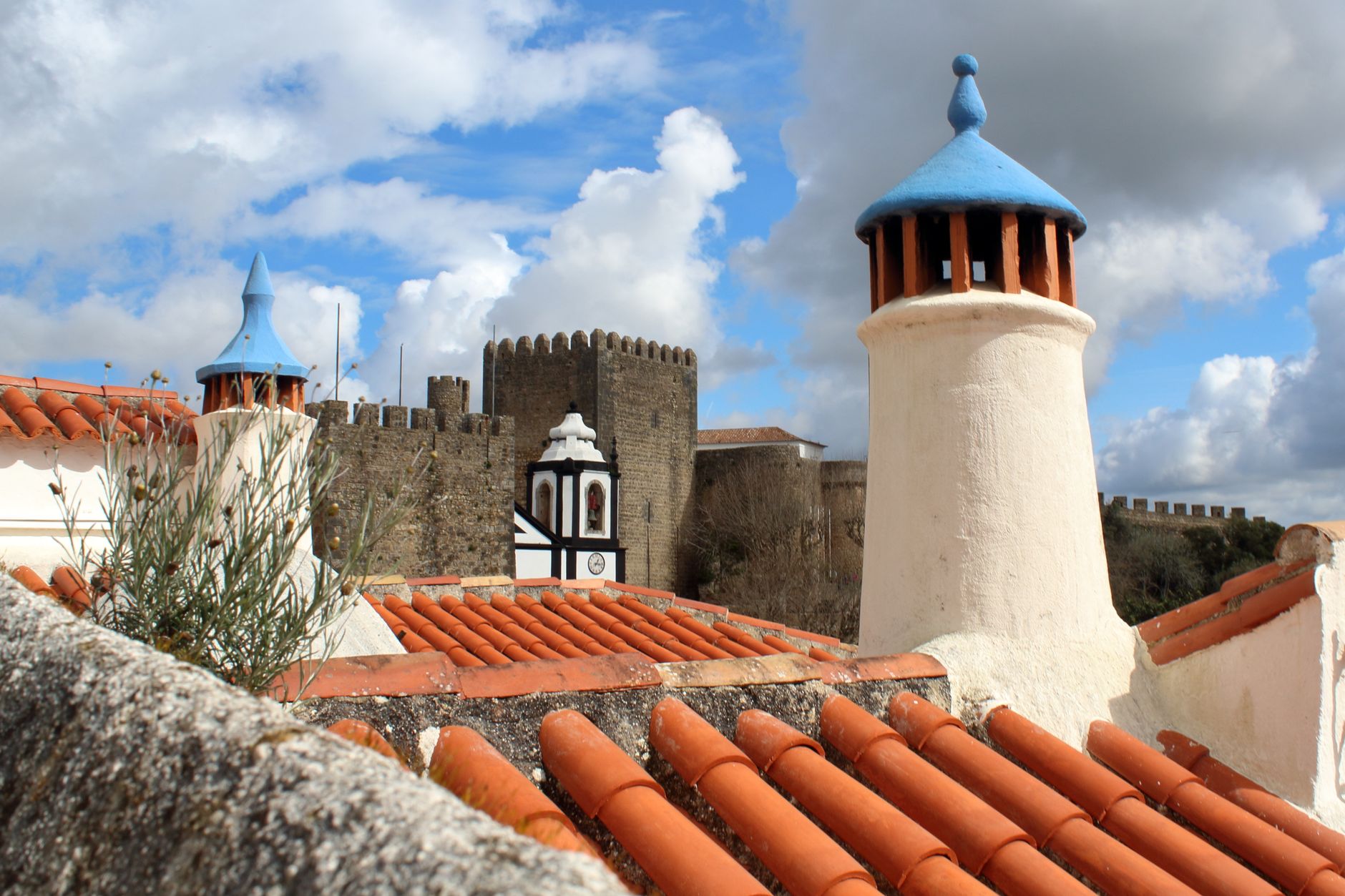
176 stays
Óbidos
Complete medieval walled village 85 km north of Lisbon — a day-trip circus by noon, and yours alone after six.
Stays in Óbidos ↗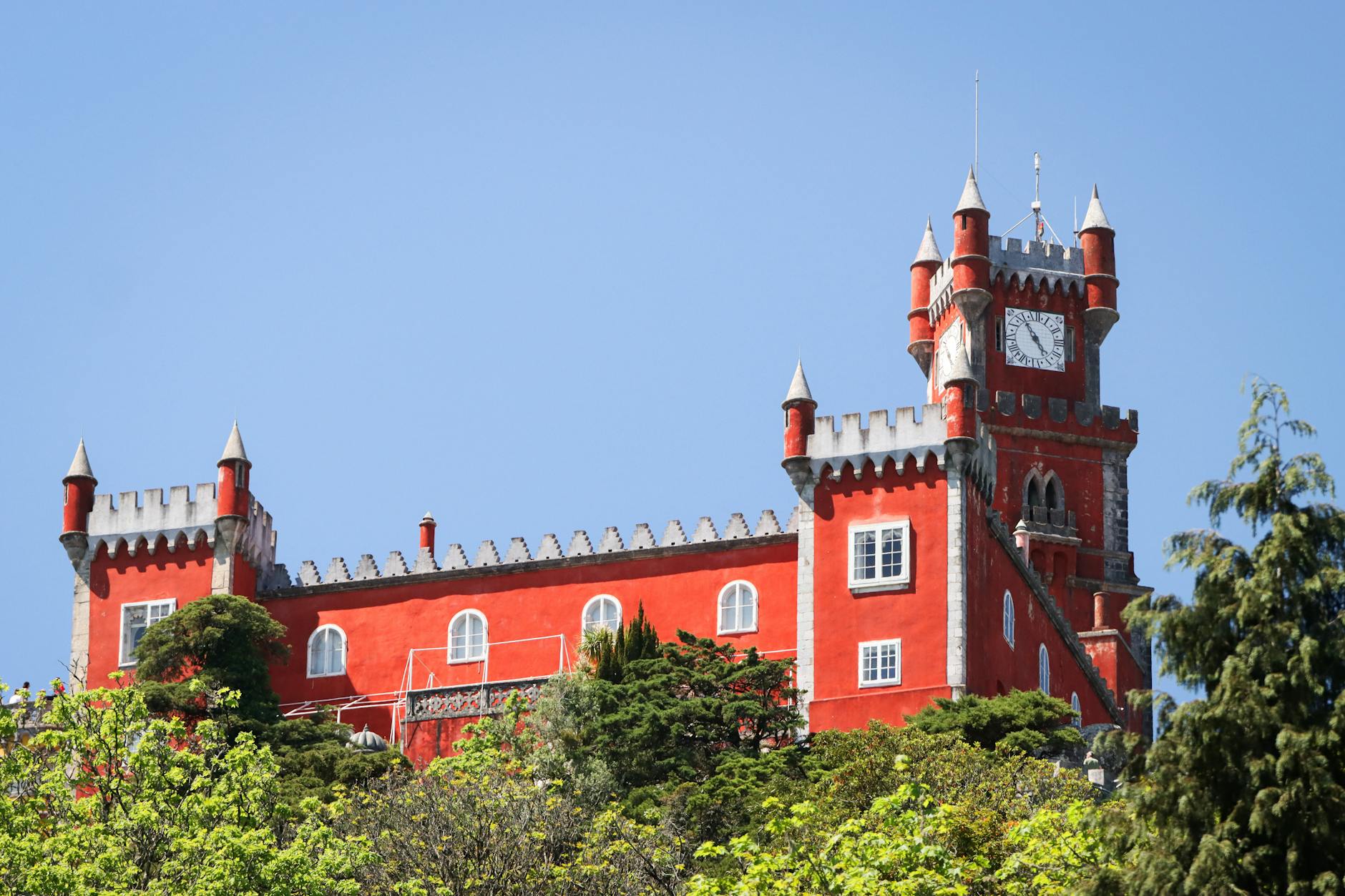
6 stays
Sintra
A UNESCO hill town 40 minutes from Lisbon: romantic palaces, dense forest, its own microclimate and brutal day-tripper crowds.
Stays in Sintra ↗Doing good is the business: every booking through LisbonHaven.com funds one verified tonne of carbon removal — same room, same price, no markup.
Search stays